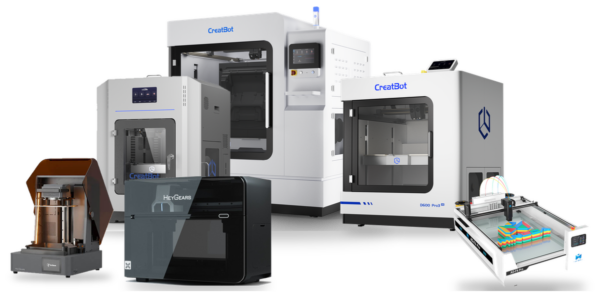
Industrial 3D printing earns its place in a factory when it makes the things around production fast: jigs, fixtures, gauges, assembly aids, covers, brackets and low-volume end-use parts in engineering plastics. The right machine depends on temperature, size and material. MAKE3D is the Official Distributor of CreatBot, HeyGears and other leading brands in Malaysia, so we can put a PEEK and high-temperature printer, a large-format system or a precise resin printer side by side against your part. If you would rather not buy yet, we print the first parts for you as a service. Send the part and the operating conditions on WhatsApp.
Start with three questions: how hot will the fixture get, how big is it, and what material does it need. For moderate temperatures and large sizes, a large-format enclosed FDM printer with a heated chamber handles most jigs, gauges and assembly tools. When the fixture sits near heat, such as on a machine, in an oven or in a hot assembly step, step up to a high-temperature printer for PEEK or PEI. For small, detailed parts that need a smooth finish and tight dimensions, a resin printer is the better tool.
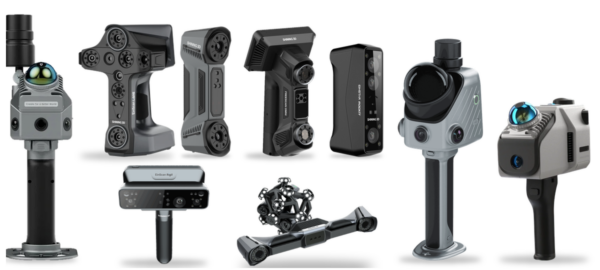
Printed fixtures are designed around the real part, so scan the part first if you have no CAD. A scan, a fixture design and a second scan to check the fit make a quick loop. Tell us the part, the temperature and the load, and we will recommend a machine or print the first one for you.
Equipment


A PEEK 3D printer is a high-temperature FDM printer with a very hot nozzle, a heated chamber and a heated bed, so that PEEK and PEI melt and bond properly. PEEK is chosen where heat, chemicals and wear matter.
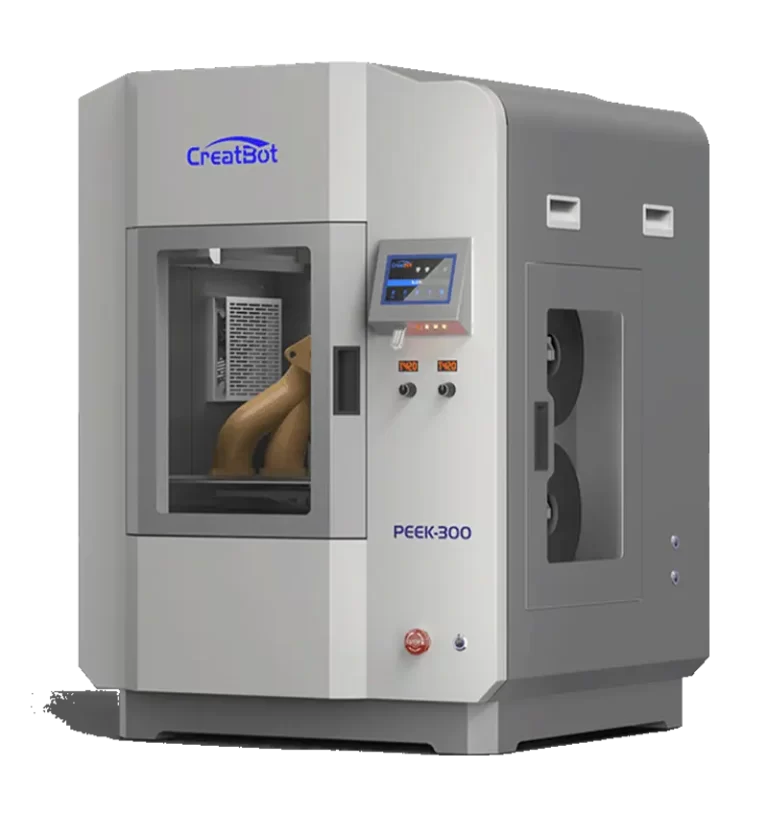
The CreatBot PEEK-250 lists a 480 C nozzle, a 200 C platform, a heated chamber up to 200 C and a 250 x 250 x 300 mm build volume, with PEEK and PEI named as target materials and water cooling included. The CreatBot PEEK-300 is the larger variant, with a Direct Annealing System and a chamber from 0 to 200 C. Both suit heat-exposed jigs, brackets and small end-use parts. We make no strength or certification claims here; we share the filament maker's datasheet for your material and test a part with you before purchase. See the PEEK-250 and PEEK-300 pages.
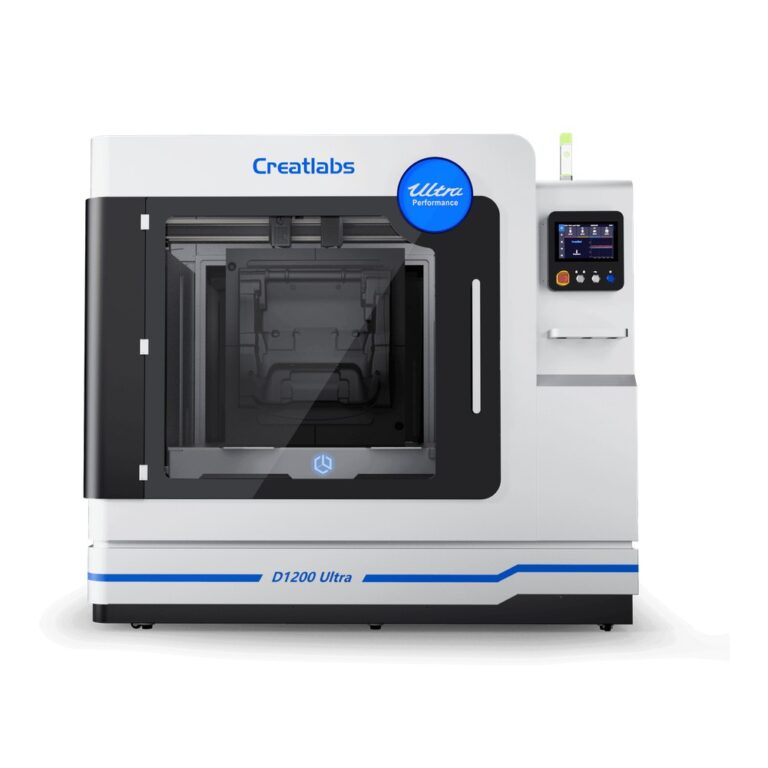
Large-format printers make oversize jigs, assembly tools, moulds for composite layup, covers and prototypes of whole assemblies in one piece. The CreatBot D-series lists enclosed, actively heated chambers and engineering filaments including nylon, polycarbonate, ABS and carbon- or glass-fibre-filled grades.
| Printer | Build volume | Stated temperatures | Notes |
|---|---|---|---|
| CreatBot PEEK-250 | 250 x 250 x 300 mm | Nozzle 480 C; platform 200 C; chamber 200 C | PEEK and PEI named; water cooling |
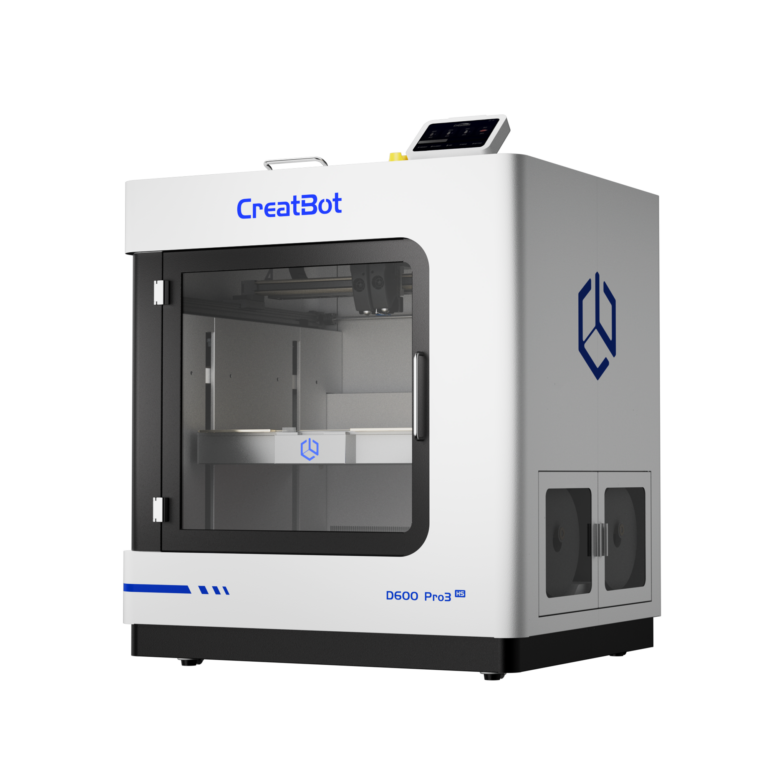
| CreatBot D600 Pro3 HS | 620 x 620 x 620 mm | Nozzle 420 C; chamber 80 C | Dual auto-raising extruders |
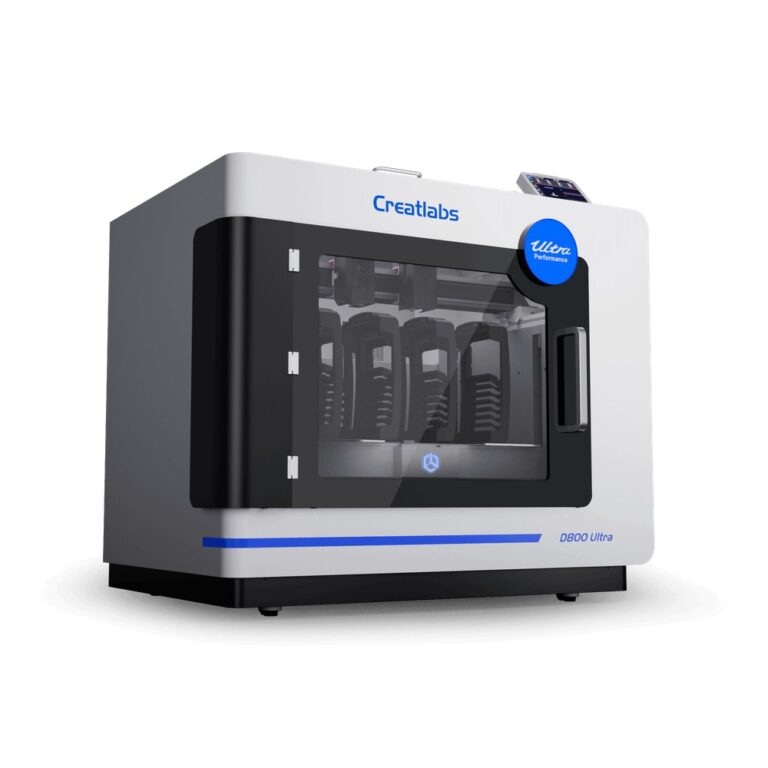
| CreatBot D800 Ultra | 800 x 650 x 650 mm | Nozzle 420 C; bed 120 C; chamber 80 C | IDEX; filament drying chamber 70 C |
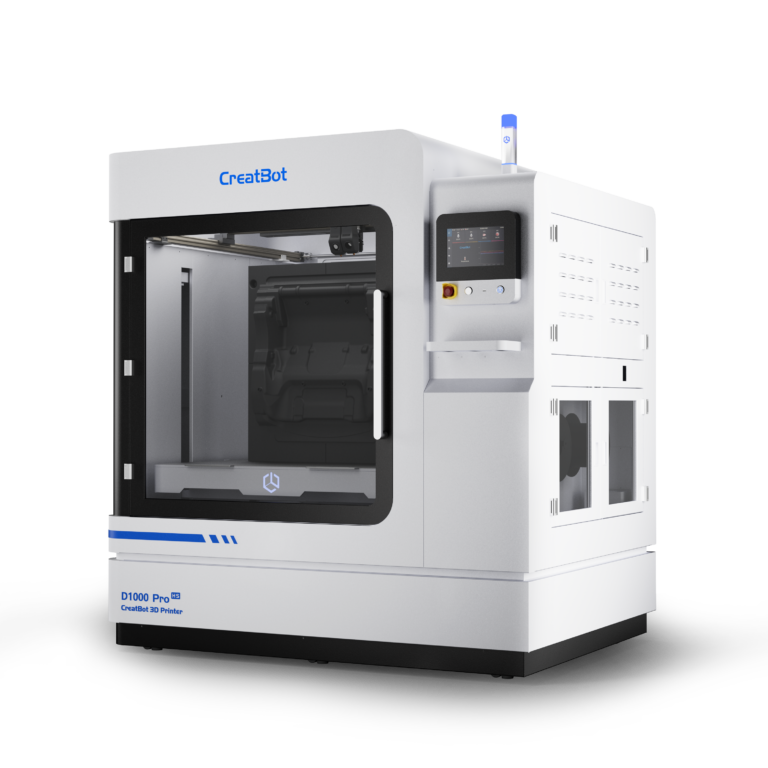
| CreatBot D1000 Pro HS | 1050 x 1050 x 1050 mm | Nozzle 420 C; chamber 80 C | Dual auto-raising extruders |
| CreatBot D1200 Ultra | 1200 x 1050 x 1050 mm | Nozzle 420 C; bed 120 C; chamber 80 C | IDEX; 17-inch touchscreen |
Figures are manufacturer values from each product page. Entry-level desktop printers are not the right tool for this work, and we will say so.
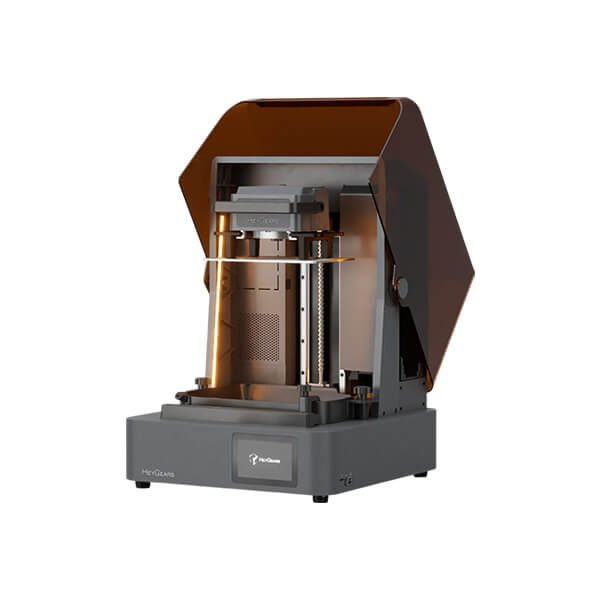
For small, detailed parts, a resin printer gives a smooth surface and fine dimensional control that FDM does not. The HeyGears UltraCraft Reflex 2 lists a 230 x 144 x 230 mm build volume and a dimensional accuracy of 0.05 mm or better. Typical uses are small jigs, gauges, masters, housings and test parts. Resin parts are generally more brittle than engineering plastics and are not for high temperature, so choose by the job.
When the printing job is a one-off, our 3D printing service makes the part for you in FDM or resin. If a fixture needs a CAD model from an existing part, our reverse engineering service scans and models it first. Tell us the size, accuracy and finish required and we will point to the right process.
Video
Tell us the part, the operating temperature and the size. We will recommend a printer or print the first part for you.
For most jigs and fixtures, a large-format enclosed FDM printer such as the CreatBot D600 Pro3 HS or D800 Ultra works well. For heat-exposed fixtures choose a PEEK-capable printer. Tell us the temperature, size and load and we will recommend one.
It is a high-temperature FDM printer with a very hot nozzle, a heated bed and a heated chamber, built to print PEEK and PEI. The CreatBot PEEK-250 lists a 480 C nozzle and a chamber up to 200 C, with a 250 x 250 x 300 mm build volume.
Yes, for the right parts. Common end-use jobs include brackets, covers, guides and low-volume replacement parts. We make no strength or certification claims; the material datasheet and a test part decide fitness for your use.
Build volumes range from 250 x 250 x 300 mm on the PEEK-250 to 1200 x 1050 x 1050 mm on the D1200 Ultra. Larger objects can be printed in sections and joined. Tell us the part size and we will pick the machine.
Yes. We print jigs, fixtures and parts in FDM and resin, and can scan or reverse engineer the original first. WhatsApp us the part and the conditions for a scoped quote, and test the idea before you buy a printer.
Yes. We scan the part, build or clean the CAD model, design the fixture around it and print. A second scan checks the fit. Our scanning and reverse engineering services cover the early steps.